Get A Quote
Kitchen Hood Cleaning for High-Volume Restaurants: Best Practices for Safety
Adrian Lasala / April 10, 2026Intro
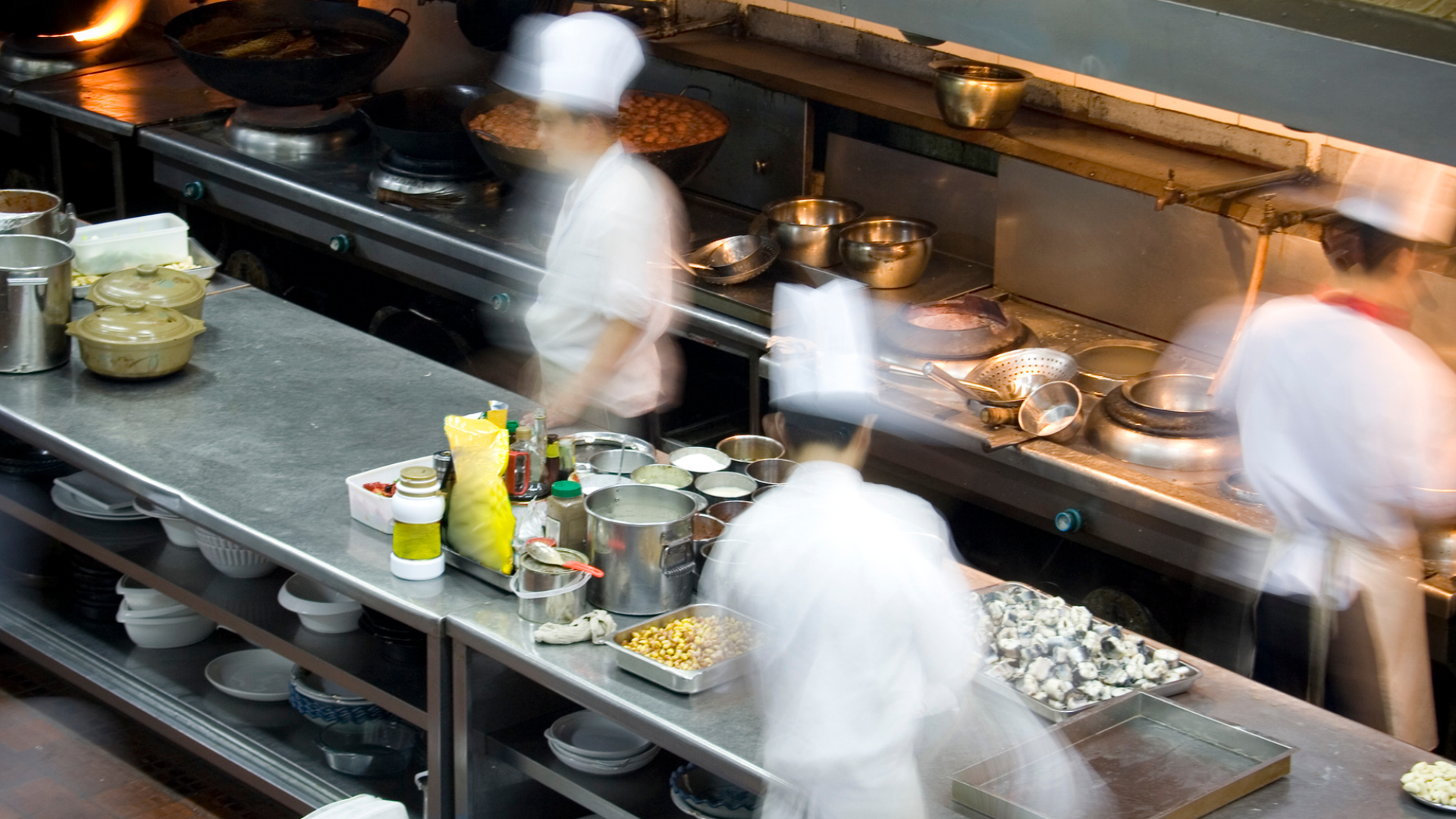
High-volume restaurants face nonstop cooking, constant heat, and continuous production of grease-laden vapors. With grills, fryers, and sauté stations running for hours, grease buildup accumulates faster than in standard commercial kitchens. This makes kitchen hood cleaning not just a routine task—but a crucial safety measure. For restaurants serving hundreds of meals a day, best practices in hood cleaning prevent fires, improve ventilation, and ensure compliance with safety regulations. Understanding how to maintain your exhaust system under heavy use helps protect your staff, your building, and your business.
Why High-Volume Kitchens Need More Frequent Hood Cleaning
The faster and more frequently food is cooked, the more grease vapor enters the hood system. In a high-volume restaurant, this buildup can accumulate so quickly that monthly—or even more frequent—cleaning becomes necessary. Grease condenses inside filters, ducts, and the exhaust fan, forming thick, flammable layers. If ignored, these deposits create extreme fire hazards that put the entire facility at risk.
High-volume kitchens also produce more smoke and heat, which means the ventilation system must work harder. When grease restricts airflow, the kitchen becomes hotter and more uncomfortable, slowing down staff and creating unsafe conditions. By prioritizing regular restaurant hood cleaning, high-volume kitchens maintain proper airflow, reduce energy strain, and keep both front- and back-of-house environments safer.
Best Practices for Maintaining a Clean and Safe Hood System
The most effective way to keep a high-volume kitchen safe is to follow industry-backed best practices. Scheduling professional hood cleaning more frequently is the first step. While moderate kitchens may need quarterly service, high-volume restaurants typically require monthly cleaning or cleaning based on NFPA 96 standards. Following these guidelines ensures compliance and reduces fire risks.
In addition to regular service, daily maintenance contributes to a safer and more efficient hood system. Wiping down hood exteriors, checking filters for visible grease, and ensuring filters are installed properly keeps the system functioning between professional cleanings. Staff should be trained to recognize early signs of grease buildup, such as unusual smoke, persistent odors, or loud exhaust fan noises. When employees understand the importance of hood safety, they become proactive partners in maintaining a secure kitchen environment.
Another best practice is ensuring that access panels are unobstructed and functional. These panels allow cleaning technicians to reach deep into the ductwork where grease can hide and harden. Making sure your system complies with access requirements ensures that every part of the ventilation system can be thoroughly cleaned. This prevents grease pockets from forming in hidden areas, where they can ignite unexpectedly.
How Professional Cleaning Protects High-Volume Kitchens
Professional kitchen hood cleaning goes far beyond what staff can do on a daily basis. Technicians use specialized tools, degreasers, and high-pressure equipment to remove grease down to bare metal. For high-volume kitchens, this level of deep cleaning is essential. Thick grease buildup becomes increasingly difficult to remove over time, and without professional methods, it can harden into a fire-prone surface that standard cleaning cannot penetrate.
Technicians also inspect the condition of the fan, motor, ductwork, and filters, identifying early warning signs that equipment may be wearing down under heavy use. Catching issues such as loose fan belts, damaged filters, or blocked access panels early prevents expensive repairs and unexpected downtime. A properly cleaned and maintained ventilation system also improves equipment performance, reduces strain on cook-line appliances, and helps maintain consistent cooking temperatures.
High-volume restaurants also benefit from documentation provided after each cleaning. Service reports and certification stickers demonstrate compliance with NFPA 96 and local fire codes. These records are valuable during inspections and may even reduce insurance premiums by proving that your kitchen follows proper safety practices.
Conclusion
High-volume restaurants operate under intense demands, making kitchen hood cleaning essential for safety, efficiency, and compliance. By adopting best practices such as frequent professional cleaning, thorough daily maintenance, and ongoing staff training, restaurants significantly reduce fire hazards and improve ventilation. A clean hood system helps maintain comfortable working conditions, protects expensive equipment, and ensures smooth, safe operation during peak hours. When high-volume kitchens prioritize hood cleaning, they create a safer and more productive environment that supports long-term success.
Get A Quote
Nova Exterior Cleaning
Manassas, Virginia
Phone: (571) 621-3343
Recent Posts

Apr. 24, 2026
The Cost of Commercial Hood Cleaning: What Affects Pricing and Why It’s Worth It
Apr. 20, 2026
Why DIY Kitchen Hood Cleaning Fails—and When to Call the Professionals

Apr. 17, 2026
Seasonal Guide: Preparing Your Restaurant for Winter with Proper Hood Cleaning

Apr. 13, 2026
How Restaurant Hood Cleaning Reduces Odors and Improves Air Quality

Apr. 10, 2026
Kitchen Hood Cleaning for High-Volume Restaurants: Best Practices for Safety