Get A Quote
The Southern BBQ Challenge: Managing Heavy Creosote in Commercial Smoker Hoods
Adrian Lasala / May 22, 2026Intro
In the world of professional cooking, BBQ pitmasters are in a league of their own. Low and slow is the mantra, but the byproduct of that delicious smoky flavor is a maintenance nightmare. While a standard fast-food kitchen deals with liquid grease, a Southern BBQ joint deals with “The Challenge”: a heavy, tar-like accumulation of creosote. In Northern Virginia and the D.C. area, BBQ is booming, but many owners don’t realize that their commercial smokers require a specialized cleaning protocol that goes far beyond a standard hood scrub.
The Chemistry of the BBQ Exhaust
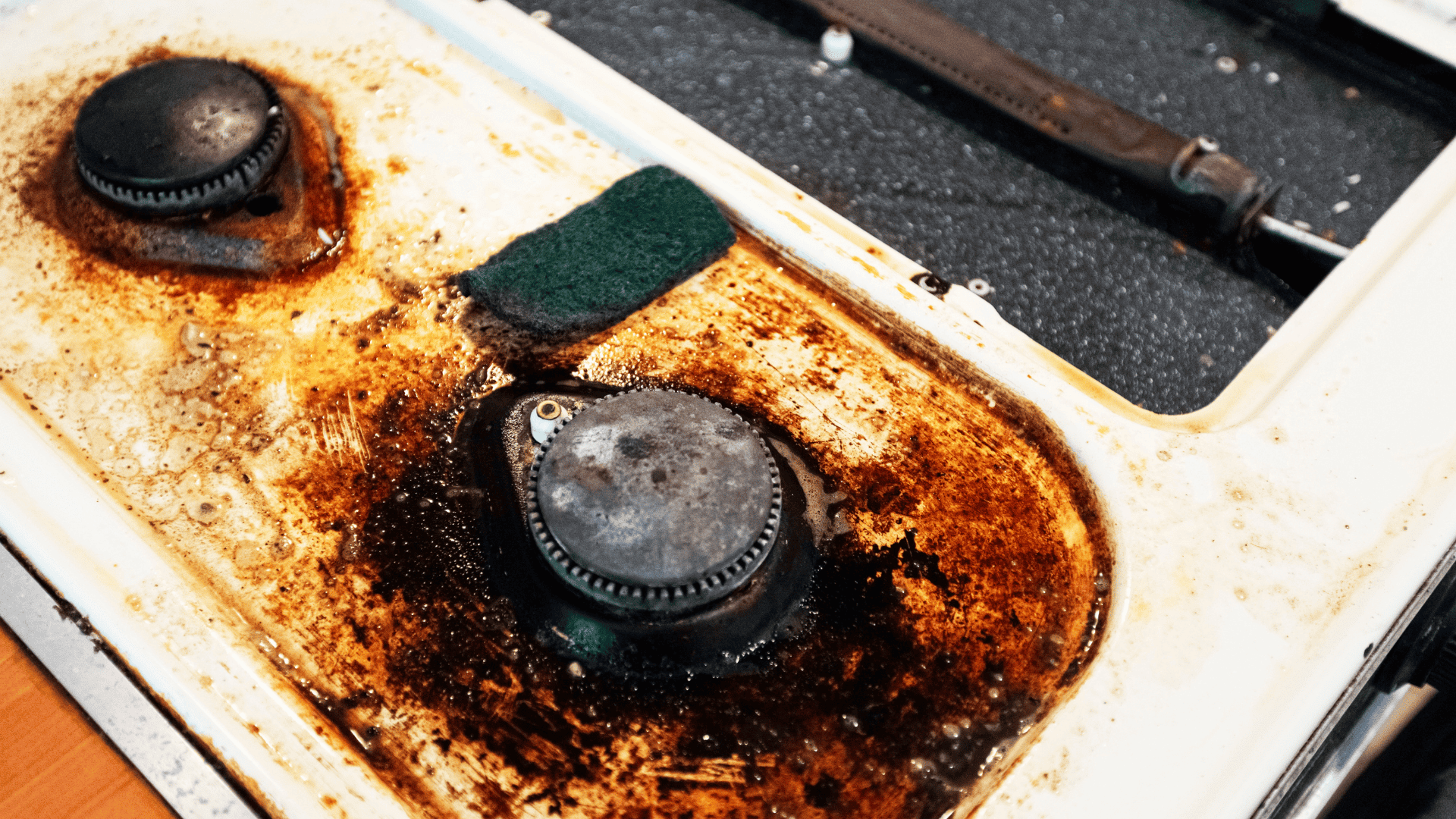
The smoke that gives brisket its bark is actually a complex mixture of gases, water vapor, and particulate matter. When you burn hardwoods like hickory, oak, or mesquite for 12 to 14 hours at a time, the resins in the wood bark are released into the exhaust stream. As this smoke hits the cooler metal of the smoker’s hood and ductwork, it undergoes “thermal shock” and solidifies into creosote. This isn’t just sticky; it’s a hardened, carbon-heavy fuel source. In a BBQ environment, the risk of a “chimney fire” is significantly higher because the creosote acts as a fuse that can be ignited by a single stray spark from the firebox.
Mechanical Scraping vs. Chemical Degreasing
Standard alkaline degreasers, which work wonders on vegetable oil and animal fat, often slide right off hardened creosote. This is why BBQ hood cleaning is more labor-intensive. Professional cleaners who specialize in BBQ must often use mechanical scraping—literally using hand tools to chip away the “glassy” layers of creosote—before any chemicals are applied. If your current cleaning company is in and out in two hours, they are likely leaving the most dangerous layers of fuel behind. A true Southern BBQ hood cleaning requires a “muscle-first” approach to ensure the ductwork is returned to its original diameter.
The Ash and Soot Obstruction
Beyond the creosote, smokers produce a massive amount of fine wood ash. This ash travels up the exhaust and mixes with the sticky grease to create a thick “mortar” that can clog exhaust fan blades and fire suppression nozzles. If the ash isn’t cleared out during every professional service, it restricts airflow, causing the smoker to “back-puff” smoke into the kitchen. This not only creates a harsh working environment for your staff but also affects the temperature control of your smokers. Consistent airflow is the secret to consistent BBQ, and that airflow starts with a clean, ash-free exhaust path.
Conclusion
Running a successful BBQ restaurant is a test of endurance, and your exhaust system is no exception. Because of the unique nature of wood smoke, you cannot settle for a “general” hood cleaning service. Managing heavy creosote requires specialized tools, more frequent inspections, and a team that understands the physics of a smoker. By investing in high-frequency, deep-cleaning services, you ensure that your pit remains the heart of your business—and not the source of a fire. Keep the smoke in the meat and out of the ducts.
When heavy wood smoke and grease restrict your airflow, it pushes acrid fumes back into the kitchen, ruining your indoor air quality and overpowering the sweet aroma of your meat—to learn how proper ventilation eliminates stagnant odors, CLICK HERE.
Get A Quote
Nova Exterior Cleaning
Manassas, Virginia
Phone: (571) 621-3343
Recent Posts

Jun. 08, 2026
Nova Hood Cleaning: Where Safety Meets Sparkle
Jun. 05, 2026
A Brighter View with Nova Exterior Cleaning

Jun. 01, 2026
The Nova Standard: Premium Residential & Commercial Exterior Care

May. 29, 2026
Revive Your Curb Appeal: Why Nova Exterior Cleaning is the Local Choice
May. 25, 2026
Donut Shops & Bakeries: Why “Sugar Grease” is Just as Dangerous as Animal Fat